


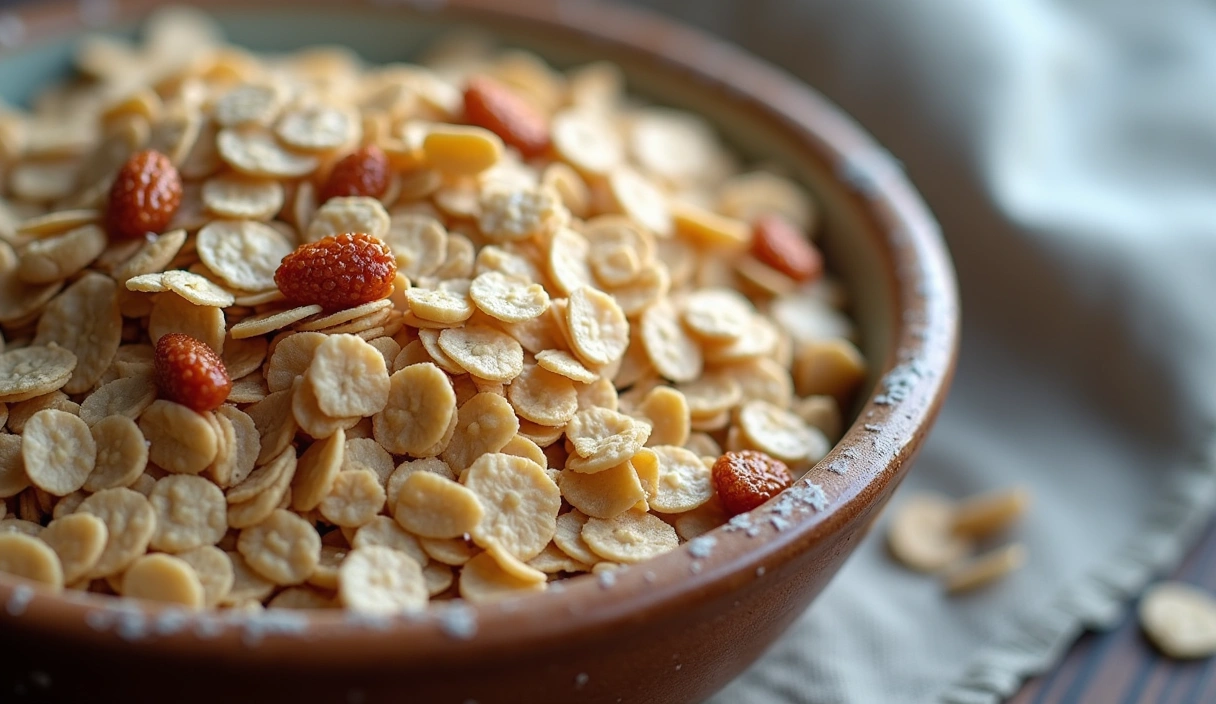
Author Caroline Igo has noted that a simple bowl of oatmeal may be a straightforward way to support heart health. Research suggests its benefits for cholesterol management are more complex than previously understood.
Oats contain phenolic compounds bound to their fiber structure, which the human body cannot absorb directly. Gut bacteria play a key role by breaking down the fiber and releasing these compounds. One important compound released is ferulic acid, an antioxidant linked to cholesterol metabolism that then enters the bloodstream.
A randomized controlled trial published in Nature Communications supports this finding. The study involved two phases. In a short-term, high-dose phase, participants consumed about 300 grams of oats daily for two days. In a longer, moderate phase, participants consumed about 80 grams of oats daily for six weeks. Both approaches significantly increased ferulic acid levels in the body.
The high-dose regimen also increased levels of dihydroferulic acid, a related metabolite produced by gut bacteria during oat digestion. This indicates a second mechanism for oats’ benefits, beyond the known action of soluble fiber like beta-glucan binding to cholesterol in the digestive tract.
Oats are also recognized for supporting gut health due to their fiber content, which acts as a prebiotic. A healthy gut microbiome is connected to broader health outcomes, including digestion and heart health. Furthermore, the fiber and complex carbohydrates in oatmeal can promote stable blood sugar levels and sustained energy, helping to curb mid-morning hunger.
For those seeking to incorporate oats into their diet, choosing less processed forms like steel-cut or rolled oats over instant varieties provides more fiber and nutrients. Consistency is important for cumulative benefits. Adding protein, such as from protein powder, nuts, or seeds, can create a more balanced and satisfying meal. Toppings like fresh fruit, cinnamon, or a small amount of honey can enhance flavor.
The study’s findings add a new dimension to the understanding of a common food. The research highlights a collaborative process between diet and gut bacteria to unlock health-supporting compounds. This process underscores the value of whole foods in a daily diet for long-term wellness.
